
Developmental Milestone: 1 Year
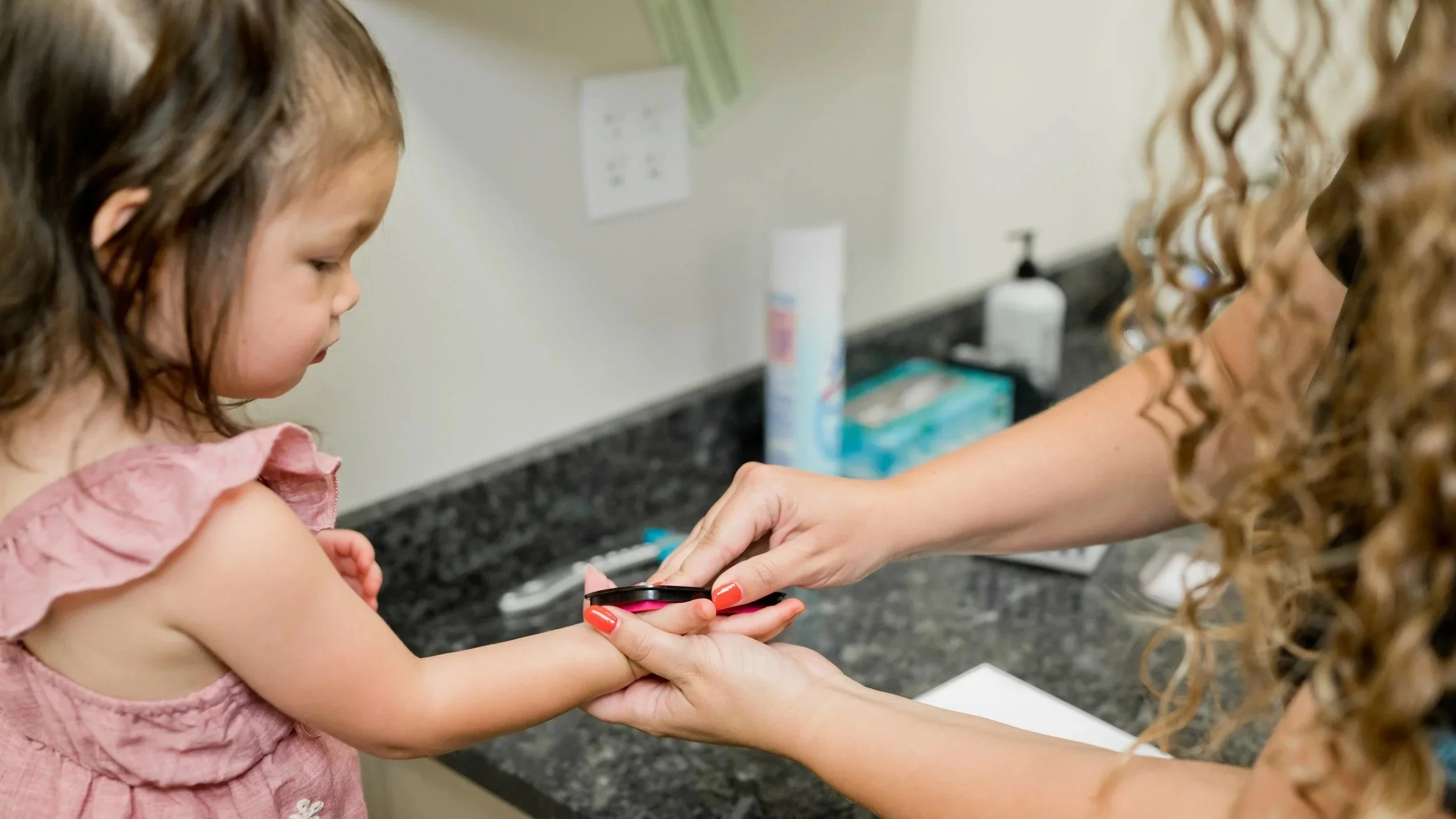
What Most Children Do by this Age:
Social/Emotional:
Is shy or nervous with strangers
Cries when mom or dad leaves
Has favorite things and people
Shows fear in some situations
Hands you a book when he wants to hear a story
Repeats sounds or actions to get attention
Puts out arm or leg to help with dressing
Plays games such as “peek-a-boo” and “pat-a-cake”
Language/Communication:
Responds to simple spoken requests
Uses simple gestures, like shaking head “no” or waving “bye-bye”
Makes sounds with changes in tone (sounds more like speech)
Says “mama” and “dada” and exclamations like “uh-oh!”
Tries to say words you say
Cognitive (learning, thinking, problem-solving):
Explores things in different ways, like shaking, banging, throwing
Finds hidden things easily
Looks at the right picture or thing when it’s named
Copies gestures
Starts to use things correctly; for example, drinks from a cup, brushes hair
Bangs two things together
Puts things in a container, takes things out of a container
Lets things go without help
Pokes with index (pointer) finger
Follows simple directions like “pick up the toy”
Movement/Physical Development:
Gets to a sitting position without help
Pulls up to stand, walks holding on to furniture (“cruising”)
May take a few steps without holding on
May stand alone
What You Can Do for Your 1-Year-Old:
Give your child time to get to know a new caregiver. Bring a favorite toy, stuffed animal, or blanket to help comfort your child.
In response to unwanted behaviors, say “no” firmly. Do not yell, spank, or give long explanations. A time out for 30 seconds to 1 minute might help redirect your child.
Give your child lots of hugs, kisses, and praise for good behavior.
Spend a lot more time encouraging wanted behaviors than punishing unwanted behaviors (4 times as much encouragement for wanted behaviors as redirection for unwanted behaviors).
Talk to your child about what you’re doing. For example, “Mommy is washing your hands with a washcloth.”
Read with your child every day. Have your child turn the pages. Take turns labeling pictures with your child.
Build on what your child says or tries to say, or what he points to. If he points to a truck and says “t” or “truck,” say, “Yes, that’s a big, blue truck.”
when she tries to copy them. Give your child crayons and paper, and let your child draw freely. Show your child how to draw lines up and down and across the page. Praise your child
Play with blocks, shape sorters, and other toys that encourage your child to use his hands.
Hide small toys and other things and have your child find them.
Ask your child to label body parts or things you see while driving in the car.
Sing songs with actions, like “The Itsy Bitsy Spider” and “Wheels on the Bus.” Help your child do the actions with you.
Give your child pots and pans or a small musical instrument like a drum or cymbals. Encourage your child to make noise.
Provide lots of safe places for your toddler to explore. (Toddler-proof your home. Lock away products for cleaning, laundry, lawn care, and car care. Use a safety gate and lock doors to the outside and the basement.)
Give your child push toys like a wagon or “kiddie push car.”